
Internal Linking: How to Optimise Internal Linking Between Service, Sector, and Pricing Pages
Discover expert strategies for internal linking between service, sector, and pricing pages to boost SEO and user experience for your Manchester business.
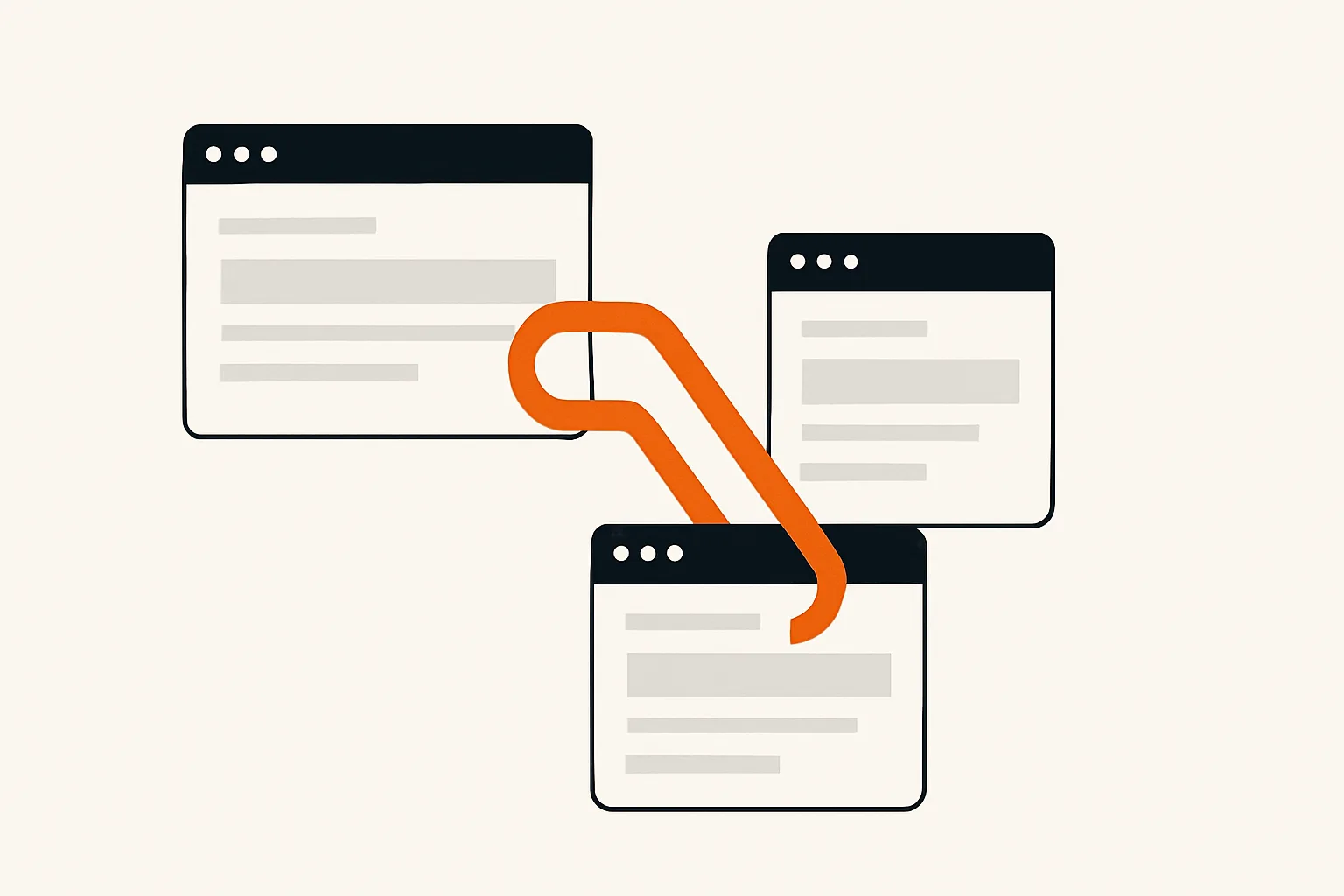
Internal linking is a vital SEO strategy for any business website, especially for Manchester-based companies with multiple service, sector, and pricing pages. In this guide, you'll learn actionable steps to optimise internal linking, improve your site's structure, and provide a seamless user journey. Whether you're a web design agency or an AI development specialist, these best practices will enhance both your search engine rankings and user experience.
Understanding the Importance of Internal Linking
### What Is Internal Linking? Internal linking refers to the practice of creating hyperlinks within your website that connect one page to another. For example, linking from a 'Web Design' service page to a 'Pricing' page or a 'Sectors We Serve' section. These links help users navigate your site more efficiently and allow search engines to crawl and index your content effectively.
### Why Internal Linking Matters for Service, Sector, and Pricing Pages For Manchester businesses, particularly those in competitive digital spheres, internal linking is crucial. Properly linked pages ensure potential clients can easily find the information they need, increasing the likelihood of conversion. Well-structured internal links also distribute authority (link equity) across your site, giving essential pages such as pricing or sector-specific solutions a significant SEO boost. This is especially important in sectors like AI development and web design, where services and solutions can be complex and varied.
### The SEO Benefits Effective internal linking: - Helps search engines discover and index new pages quicker - Spreads link authority evenly across your domain - Improves the ranking potential of deep pages (like sector or pricing pages) - Reduces bounce rates by guiding users to relevant content
Mapping Your Website Structure for Optimal Internal Linking
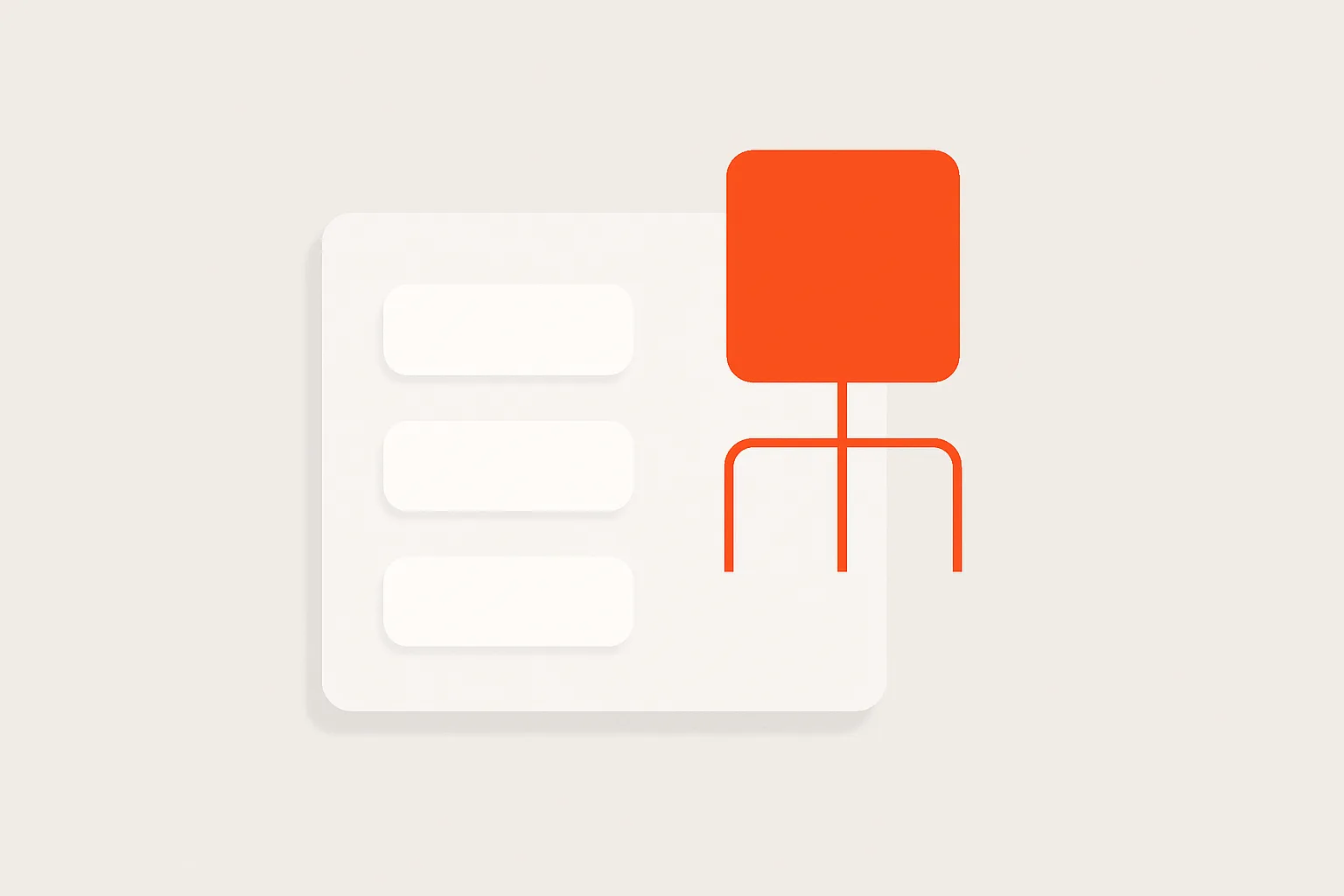
### Planning is Key Before implementing internal links, you must map out your website’s architecture. For Manchester-based agencies with multiple services and target sectors, your site map will form the backbone of your internal linking strategy. Begin by listing out all your primary pages: services (e.g., 'AI Solutions', 'Web Design'), sector pages ('Healthcare', 'E-commerce'), and pricing or quotation pages.
### Hierarchy and Relationships Establish a logical hierarchy: - Top-level: Home > Service Pages - Mid-level: Service Pages > Sector Pages - Deep-level: Sector Pages > Pricing Pages
By clearly defining these relationships, you’ll know exactly where to create links that guide both users and search engines through your site.
### Visual Tools for Mapping Consider using tools like Lucidchart or even a simple spreadsheet to visualise your internal linking plan. This step ensures every important page, especially those that drive enquiries or leads, is integrated into the navigation flow.
Best Practices for Internal Linking on Service Pages
### Contextual Linking within Services Service pages are often the most visited on your website. Make sure each service page naturally references related sectors and pricing information. For instance, if your 'AI Chatbot Development' page mentions solutions for retail, link directly to your 'Retail Sector' page for further details. Similarly, include a call-to-action (CTA) linking to your 'Pricing' or 'Request a Quote' page.
### Anchor Text Optimisation Always use descriptive, relevant anchor text. Rather than generic phrases like 'click here', use keywords such as 'AI for financial services' or 'web design pricing'. This not only assists users but also signals to search engines what the destination page is about.
### Avoid Over-Linking While internal linking is vital, overdoing it can dilute SEO value and confuse users. Aim for 2–5 relevant internal links per service page, distributed naturally within the content.
Enhancing Sector Pages with Strategic Internal Linking
### Customising Sector Content Sector pages, such as 'Web Design for Healthcare' or 'AI Solutions for E-commerce', allow you to showcase your expertise for specific industries. These are ideal spots for linking back to relevant service pages and cross-linking with pricing information tailored to each sector.
### Linking to Case Studies and Testimonials Bolster credibility by linking to case studies or testimonials within sector pages. For example, ‘See how we helped a Manchester-based healthcare provider’ can lead users to a detailed client story, further enhancing trust.
### Supporting the User Journey Ensure that sector pages don’t become dead ends. Always provide clear next steps, such as links to contact forms, downloadable brochures, or sector-specific quotations. This keeps visitors engaged and moving through your conversion funnel.
Connecting Pricing Pages for Transparency and Conversions with Internal Linking
### Making Pricing Easily Findable Pricing pages are often the final step before a potential client makes an enquiry. Ensure every relevant service and sector page includes a highly visible internal link to your pricing page. Phrases like ‘View our pricing’ or ‘Request a tailored quote’ work well.
### Explaining Pricing in Context Where possible, add contextual links from pricing pages back to detailed service or sector pages. For instance, if a user is reviewing your 'AI Solutions Pricing', link back to the relevant 'AI Development Services' page for more in-depth information about what's included.
### Overcoming Objections Pricing pages should also link to FAQs, testimonials, and case studies. These internal links help to address common concerns and build trust, especially for high-value services like bespoke web design in Manchester.
Technical Considerations for Internal Linking
### Crawl Depth and Site Architecture Ensure all important service, sector, and pricing pages are no more than three clicks from your homepage. Shallow crawl depth makes it easier for search engines like Google to discover and index your content. Use breadcrumb navigation to assist users and bots in understanding your site structure.
### Using DoFollow Links All internal links should be standard (dofollow) links unless there’s a clear reason to use ‘nofollow’ (e.g., privacy policy pages). Dofollow links pass authority and help with ranking, while ‘nofollow’ tells search engines not to count the link for SEO.
### Mobile Responsiveness Manchester businesses must ensure that menus and internal links are easy to tap on mobile devices. Test your site regularly for usability across all devices, as poor mobile navigation can disrupt both user experience and search engine crawling.
Analysing and Improving Your Internal Linking Strategy
### Regular Audits SEO is never a set-and-forget discipline. Use tools like Screaming Frog, Ahrefs, or SEMrush to crawl your site and identify orphaned pages (pages with no internal links pointing to them) or broken links that need fixing.
### Monitoring Performance Track metrics such as average session duration, bounce rates, and conversion rates from your service, sector, and pricing pages. Internal linking should ultimately improve user engagement and drive more enquiries for your Manchester agency.
### Iterating Based on Data Be prepared to refine your approach as your offerings evolve. Launching a new AI service? Add internal links from relevant sector and pricing pages to support its visibility. Regularly update your anchor texts and linking structure to reflect new priorities and search trends.
Real-World Internal Linking Examples
### Manchester Web Design Agency For a Manchester-based web design agency, a service page about 'E-commerce Web Design' might include: - A link to an 'E-commerce Sector' page ('Discover our work with Manchester online retailers') - A link to the 'Web Design Pricing' page ('See pricing for e-commerce projects') - Cross-links to 'SEO Services' for supporting services
### AI Development Specialist If you offer 'AI Chatbot Development', the internal links could be: - To the 'Chatbots for Healthcare' sector page - To the 'AI Solutions Pricing' page - To a case study for a Manchester healthcare provider
### Keeping Links User-Focused Always frame your internal links around the user's journey. Think about the questions a visitor might have and provide logical pathways to answers, whether that's a sector-specific solution, a pricing table, or a detailed case study.
Advanced Internal Linking Tactics for Service, Sector, and Pricing Pages
### Siloing Content for Thematic Authority One advanced internal linking tactic is to create content silos. This involves grouping related service, sector, and pricing pages together through a series of internal links, reinforcing topical relevance. For example, if you have several AI services, link them together and ensure each one links to sector-specific applications and the corresponding pricing page. This approach helps search engines understand the relationships between your offerings and can boost the authority of your most important pages.
### Using Pillar Pages and Clusters Develop pillar pages that act as comprehensive guides to a particular service or sector. Link out from these pillar pages to more specific cluster pages (such as individual service, sector, or pricing pages), and ensure those cluster pages link back to the pillar. This internal linking structure improves site navigation and helps distribute link equity throughout your site.
### Contextual Internal Linking in Blog Content Don’t overlook your blog as a source of internal linking opportunities. When you publish articles relevant to your services or sectors, include contextual internal links to your core service, sector, and pricing pages. For example, a blog post about 'AI Trends in Retail' should link to your 'AI Solutions for Retail' sector page and the relevant 'Pricing' page. This not only drives targeted traffic but also signals to search engines the importance of those pages.
### Leveraging Footer and Sidebar Internal Links While contextual links within main content are most valuable, footer and sidebar links can also support your internal linking strategy. Include links to key service, sector, and pricing pages in your website’s footer or sidebar navigation. However, avoid overloading these areas—prioritise your most important conversion-focused pages.
### Internal Linking for Seasonal Campaigns If you run seasonal promotions or limited-time offers, use internal linking to drive attention to these pages from relevant service, sector, and pricing pages. For example, during a 'Summer Web Design Sale', add internal links from your main web design service and sector pages to the campaign landing page, and ensure the pricing page reflects the special offer.
Common Internal Linking Mistakes to Avoid
### Linking to Irrelevant Pages Ensure every internal link is contextually relevant. Linking to unrelated pages not only confuses users but can also harm your SEO by diluting topical authority.
### Using Non-Descriptive Anchor Text Avoid generic anchors like 'read more'. Instead, use clear, keyword-rich phrases that accurately describe the destination page.
### Neglecting Deep Pages Don't just link to your homepage or main service pages. Ensure that important but lower-level pages, such as specific sector solutions or niche pricing tables, receive internal links to boost their visibility.
### Ignoring User Experience Too many internal links on a page can overwhelm visitors. Aim for a balanced approach—enough links to guide users, but not so many that the page appears cluttered.
### Failing to Update Internal Links As your website evolves, some pages may be removed or renamed. Regularly audit your site to ensure all internal links are up to date and point to live, relevant content. Broken internal links can frustrate users and negatively impact your SEO.
### Over-Optimising Anchor Text While it's important to use descriptive anchor text, avoid over-optimising by repeating the exact same keyword phrase in every link. Vary your anchor text naturally to provide a better user experience and avoid search engine penalties.
Conclusion: Take Control of Your Internal Linking Strategy
Optimising internal linking between your service, sector, and pricing pages can transform your website’s SEO, user experience, and conversion rates—especially for ambitious Manchester businesses. By following the steps in this guide, you'll help both search engines and real users find the information they need, faster and more efficiently.
Ready to strengthen your internal linking and boost your site's performance? Contact Debut Web Consultants today for a tailored strategy. Explore our AI development services, review our web design portfolio, or learn more about our SEO expertise. Let’s help your Manchester business reach new heights with intelligent, data-driven internal linking.
FAQ
Frequently asked questions
What is the ideal number of internal links per page?
Aim for 2–5 relevant internal links per service, sector, or pricing page. The number can vary depending on content length, but prioritise quality over quantity.
Should I use exact match keywords in anchor text?
While keyword-rich anchor text can be beneficial, ensure it reads naturally. Over-optimisation with exact match anchors may appear spammy to search engines.
How often should I audit my internal linking structure?
Conduct a comprehensive audit at least quarterly. This helps you uncover orphaned or broken links and ensures your internal linking strategy evolves with your business.
Does internal linking affect local SEO for Manchester businesses?
Absolutely. Strategic internal linking helps search engines better understand your site structure and relevance for local Manchester searches, improving your local SEO rankings.
Can I automate internal linking?
Some CMS plugins and SEO tools can automate basic internal linking, but manual curation ensures greater relevance and a personalised user experience.
Ready to talk it through?
Book a free consultation with our Manchester team.